Intervertebral Disc Disease (IVDD) in Dogs
Intervertebral Disc Disease (IVDD) is a common spinal condition in dogs that can cause pain, loss of mobility, or paralysis due to spinal cord compression. While mild cases may respond to medication, surgery is often the most appropriate option for dogs with moderate to severe symptoms. We’ll go into the detail below, but dogs receiving surgery generally recover faster, regain limb function more fully, and have a better long-term quality of life.
Our IVDD and Hemilaminectomy Surgery referral services are available to pet owners and first opinion vet practices in Camden and across the capital. Our experienced surgeons and locally un-matched facilities have reduced pain and restored mobility for many pets . You can read more about what we have to offer below. If you need more information, please contact us to speak to one of our veterinary surgeons, otherwise …
Elizavet’s Guide to Intervertebral Disc Disease (IVDD) in Dogs
Intervertebral disc disease is often a hereditary and age-related condition. Chondrodystrophic breeds (dogs with a long body and short legs), such as Dachshunds, Shih Tzus, Pekingese, and Basset Hounds, suffer from early degenerative changes. However, any breed could be affected. This is why understanding IVDD in Dachshunds is particularly important.
The symptoms may vary from mild to severe pain or from partial to complete paralysis depending on the degree of compression. Mild signs are lameness or a drunken gait (ataxia), whereas severe signs are partial or complete paralysis (dragging one or more limbs), muscle wastage, and inability to urinate or defecate. Patients with chronic and severe clinical signs have fewer chances to recover even after surgery. Recognising the early signs of IVDD in dogs helps ensure prompt treatment and better recovery outcomes.
Typical clinical signs in predisposed breeds are highly indicative of intervertebral disc disease; however, diagnostic imaging is required to confirm the diagnosis. Radiographs may help detect herniation of a calcified disc or narrowing of the intervertebral disc space but rarely provide a definitive diagnosis. Advanced imaging such as MRI, CT scan, or Myelography is essential for confirmation.
Treatment options for IVDD
Medical management
Medical management with painkillers and rest is recommended for dogs showing mild symptoms. However, surgical treatment is usually required for dogs with moderate to severe signs to relieve spinal cord compression and restore mobility.
Surgery (Hemilaminectomy)
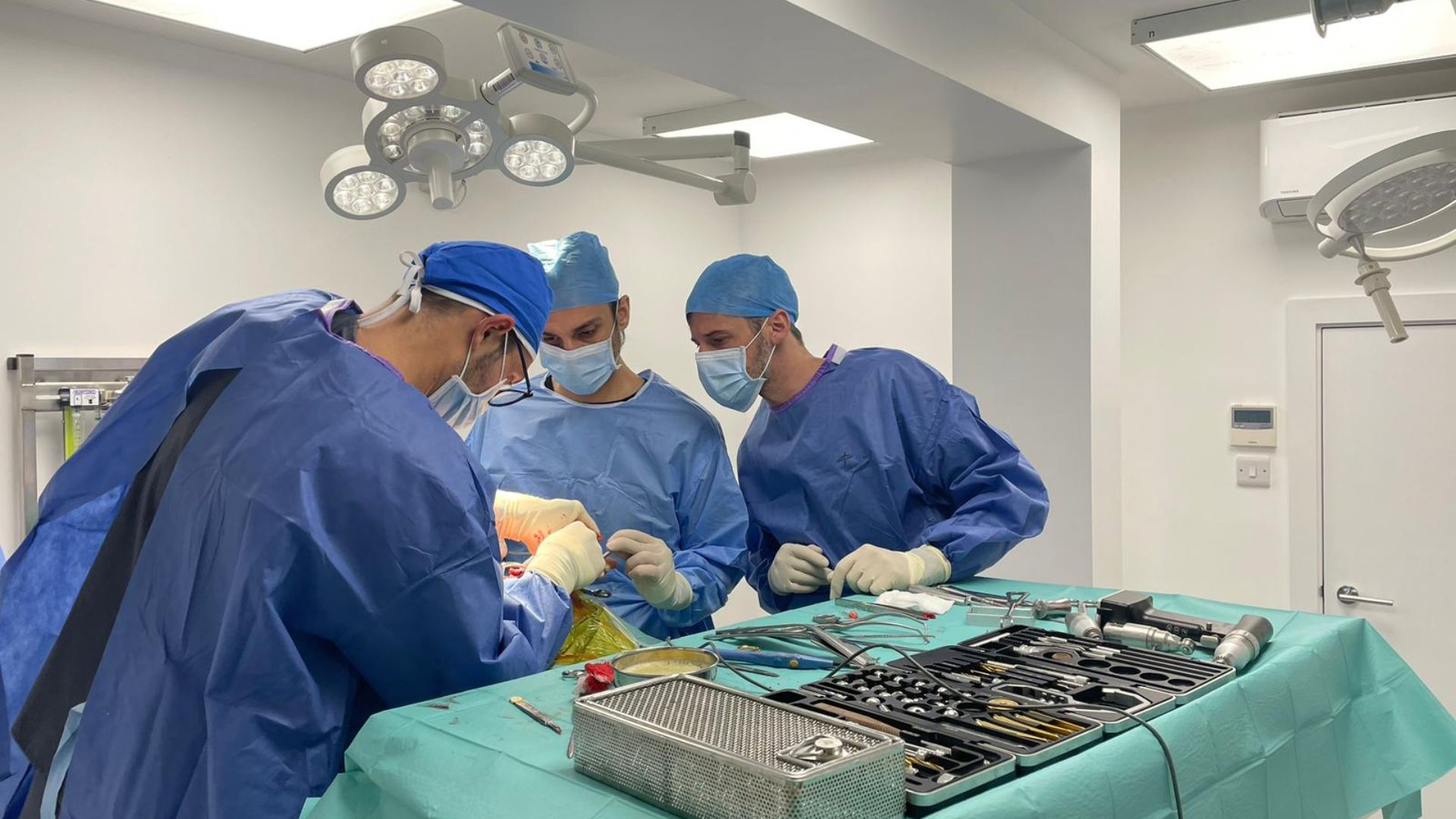
The goal of hemilaminectomy surgery is to remove the herniated disc material compressing the spinal cord. Using specialised surgical tools, the affected vertebral area is opened to allow safe removal of the disc material. The cost of IVDD surgery can vary depending on the severity of the condition, imaging required, and hospitalisation period, but it provides a good chance for full recovery.
Recovery and aftercare
Ideally, patients should stay in the hospital, for pain management, for a few days, until they are able to urinate independently. Several weeks may be required for normal leg function to return, with some patients recovering faster than others. Although pets given physiotherapy post-surgery tend to recover more quickly, occasionally, some patients do not improve after the surgery. In these cases, mobility carts may be used to support their legs. Patients affected by severe compressions may not regain control of bladder function and will require manual expression of the bladder. This procedure can be performed by the owners at home. We can offer training for this.
If you need more information or would like a pre referral consultation please contact us to speak to one of our veterinary surgeons, otherwise …