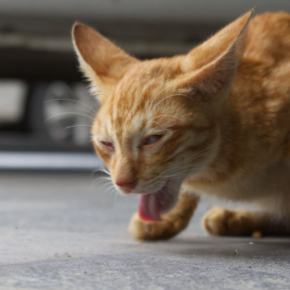
Elizavet on Vomiting in Dogs and Cats
November 9, 2026
At some point, every pet owner will experience their pet regurgitating food or vomiting and wonder if this is something to worry about. At Elizavet, we often speak to owners from around North London about when vomiting is nothing to worry about, and when it may signify something more serious.
In this article, our team break it all down, helping you to feel confident about when to pick up the phone about your pet’s vomiting; you should know though, you can always call us if you are concerned.
If your pet is frequently vomiting, bringing up blood, or has swallowed something, call us right away on 020 4502 0414 – here’s our opening hours and emergency information.
Vomiting in dogs and cats: common causes
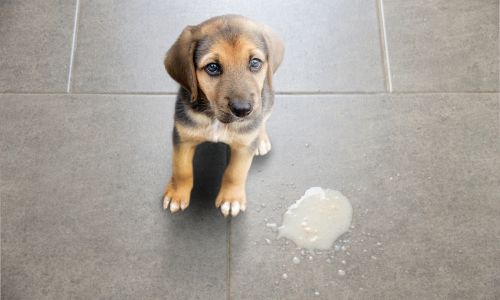
Our vets in Maida Vale explain that thankfully, many common causes are mild and usually don’t signify anything too alarming. Below are the most common causes of vomiting in cats and dogs:
- Eating something that doesn’t agree with them
- A sudden change in diet
- Food sensitivities or eating too fast
- Hairballs in cats, common after grooming especially in long-haired breeds
- Parasites, such as roundworms, which you may see in their vomit
- Stress or excitement in some pets
If your pet has vomited or regurgitated their food or hairballs but seems otherwise normal, the team at Elizavet recommend keeping an eye on them and making sure water is available.
You can contact us to check their worming treatment is up to date, and if the vomiting or hairballs are persistent then call us on 020 4502 0414.
When to see a vet
If your pet is experiencing any of the below, get in touch right away.
- Repeated vomiting, or vomiting that lasts more than a day
- Blood in the vomit – this can look like coffee grounds or be bright red
- Not keeping water down
- Lethargy, or a bloated tummy
- Suspected poisoning or a swallowed object
- Any vomiting in puppies, kittens, senior pets or pets with existing conditions
These instances may be caused by a variety of things including infections, swallowed objects, pancreatitis, kidney disease, diabetes or something else – book an appointment at Elizavet as soon as possible so our vets can investigate what’s making your pet unwell.
While vomiting in pets can be scary, knowing the common causes and when to seek help can make all the difference in how quickly your pet gets the care they need.
If you have any questions about your dog or cat, get in touch with our veterinary team in Maida Vale – we’re here to help.


