
Nose Work Training for Dogs: Get Elizavet’s Tips
Wherever you are, and whatever treat you’re trying to sneakily eat away from twitching noses, your pooch will come running—that’s just one of the many charming perks of being a pet parent. But there’s a science behind the sniffing—our loyal canine companions have up to 300 million olfactory sensors in their snouts compared to about six million in humans!
Nose work training is an enriching way to harness this sensory superpower, and our vets at Elizavet have a few ideas that will help keep your favourite scent sleuth on the case.
Want tailored advice on your dog’s capabilities or to explore more ways to keep your dog mentally stimulated this winter? Pop in and chat to our vets in Maida Vale.
Contact us for tailored dog enrichment advice
OR you could visit our dedicated pet behaviour advice and training page.
The Nose Knows: How to train your dog’s sense of smell
Follow the nose to the prize
Elizavet’s team share that any new training works best when you start slow. Place a treat in a box for your dog to discover and reward them for finding it. As you progress, add more boxes and switch the location of the treat, leaving it up to your sniffing superhero to find. This keeps their busy nose and mind working.
Mysterious munchies
We’ve already established they simply love nosing about your food, so turn this into a game. Our team advise hiding dog-safe treats around your home when they’re out of sight and leaving it up to your four-legged detective to find. If your pooch has a skilled snout, change things up and make it progressively harder by hiding them in places that are difficult to find!
Operation: Find the food
Transform mealtimes into a scent training session by scattering your dog’s food across wipe-clean mats in different locations or hiding it in a snuffle rug. This encourages them to use their nose to seek out every morsel, turning dinner into a rewarding game. Our vets in Maida Vale suggest sprinkling in a few extra treats occasionally for bonus sniffing motivation—it may not be the same as heading out to a fancy restaurant, but they’ll love it just as much!
Want to see a magic trick?
Get ready to perform some magic for the furriest audience member. Start simple: hide a treat under one cup and let your dog tip it over to claim their prize. Once they’ve got the hang of it, add two more cups and shuffle them around. If they sniff out the right one, you’ve got yourself a magician’s assistant! Why not make our team’s day by showing off your dog’s new skills next time you pop into our vet practice in Maida Vale?
The vanishing act
This is hide-and-seek with a twist—you’re the prize! Slip into another room and wait for your dog to track you down using their powerful sense of smell. When they find you, reward them with praise and plenty of fuss. As they get better, make it trickier by hiding further away or behind furniture, or even outside behind trees. We bet they’ll still sniff you out!
Ready to explore more enrichment ideas for your dog? Our team in Maida Vale would love to help you create a tailored plan that keeps your pup’s nose—and mind—engaged all winter long
Contact us for tailored dog enrichment ideas
Caring for Senior Pets in North London During Winter
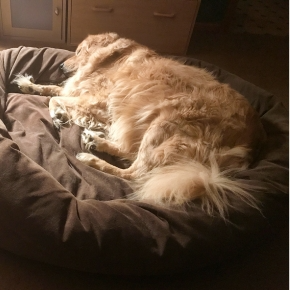
As winter deepens and icy mornings become the norm in North London, our senior pets feel the cold more intensely than their younger counterparts. Just as we might swap summer bedding for warmer duvets, our elderly companions deserve the same thoughtful consideration when it comes to their sleeping arrangements. After all, quality rest becomes increasingly important as pets age.
If your pet is in or approaching their senior years and you’d like some advice on appropriate care, don’t hesitate to reach out to our vets in Maida Vale for advice.
Talk to us about your senior pet’s needs
Understanding senior sleep needs
Older pets sleep longer and more deeply than younger animals, often spending up to eighteen hours a day resting. However, arthritis, reduced circulation and thinning skin make them more sensitive to temperature changes and pressure points. Our team at Elizavet explain that what once felt comfortable might now leave them stiff, cold or restless.
Senior pets also experience changes in sleep patterns, waking more frequently during the night and requiring comfortable spots for multiple naps throughout the day.
The foundation of comfort
Orthopaedic support becomes crucial for ageing joints. Memory foam beds provide excellent pressure relief, conforming to your pet’s body shape whilst offering consistent support. Look for beds with removable, washable covers – senior pets often experience occasional accidents due to weakened bladder control.
Our vets in Maida Vale advise that raised beds work particularly well for older dogs, keeping them off cold floors whilst improving air circulation. However, ensure the height isn’t too challenging for pets with mobility issues.
Warmth without overheating
Senior pets often struggle with temperature regulation, making them prone to both chills and overheating. Elizavet’s team’s advice is:
- Layer bedding to allow easy adjustment – start with a supportive base, add warming elements and include removable blankets for flexibility.
- Heated pet beds offer consistent warmth but choose models with adjustable temperature settings and safety features.
- Self-warming beds, which reflect body heat, provide gentler warmth without electricity concerns.
There is a fantastic array of bedding options available now, from pet stores online and around North London.
Also, you should position beds away from draughts but ensure adequate ventilation. Winter air can be dry and stuffy, making good airflow important for respiratory health, whilst senior pets can still overheat quickly, particularly those with respiratory issues or heart conditions.
Multiple comfort zones
Create several sleeping options throughout your home. Senior pets appreciate having comfortable spots near family activities during the day and quiet retreat areas for deeper rest. This becomes especially important as mobility decreases – having options on different floors prevents unnecessary stair climbing. Consider the accessibility of each location.
Our team at Elizavet explain how pets with arthritis may struggle with high beds or tight spaces, whilst those with vision problems need familiar, obstacle-free paths to their sleeping areas.
Special considerations for different pets
- Cats often prefer enclosed spaces for security, making covered beds or igloo-style options appealing. Ensure openings are large enough for easy entry and exit.
- Large breed dogs may need extra-large beds to accommodate their size whilst providing adequate joint support.
- Smaller dogs might appreciate slightly enclosed designs that help retain body heat.
- Rabbits and other small pets can benefit from areas with both open space and hidey-holes, allowing them to choose based on their mood and comfort needs.
Maintenance matters more
Senior pets may have more accidents, making waterproof mattress protectors essential. Choose breathable, washable options that don’t compromise comfort. Our vets in Kilburn suggest establishing a regular cleaning routine – weekly washing prevents odour buildup and maintains hygiene. Having spare bedding ensures continuous comfort during wash days.
Signs your setup is working
A well-rested senior pet should settle easily into their bed and show improvement in their comfort levels. Whilst arthritis may still cause some morning stiffness, a good bed setup should minimise discomfort and help them move more freely once they’re up. If your pet avoids their bed, seems particularly restless or appears significantly stiffer than usual upon waking, it’s time to reassess their sleeping arrangements.
Remember, investing in quality comfort now pays dividends in your senior pet’s wellbeing throughout the harsh winter months ahead. If your pet is entering their senior years and you’d like guidance on how to best support them, feel free to get in touch with our vets in Maida Vale for tailored advice.
Talk to us about your senior pet’s needs
Winter Worries: Keeping Cats Safe After Sunset
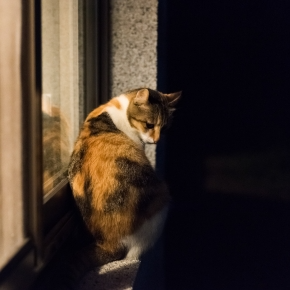
As the clocks go back and evenings get darker earlier, outdoor cats in North London face increased risks during winter nights. From traffic hazards to cold-related health concerns, it’s important for cat owners to take extra precautions to keep their feline friends safe and comfortable.
Is your cat’s microchip up to date with the right contact details?
Book a nurse appointment at Elizavet to check for accuracy and ensure that your feline friend can be returned if they’re found wandering this winter.
Visibility matters
One of the biggest dangers for cats in winter is reduced visibility. Drivers around North London may struggle to see animals crossing roads in the dark, especially in poor weather. Consider using a reflective collar with a quick-release safety mechanism to help your cat stand out.
Road safety and curfews
If your cat is used to roaming freely, you might want to limit outdoor time to daylight hours during winter where possible. Encouraging your cat to stay indoors after dark can significantly reduce the risk of accidents. Gradually adjusting their routine with feeding times and play can help ease the transition. Forcing cats to stay in can actually cause them stress though, so it’s important to follow your cat’s cues.
If your cat is involved in an accident, you can call us immediately on 020 4502 0414 – here’s our emergency vet service information.
Cold weather concerns
Cats are generally resilient, but prolonged exposure to cold and wet conditions can lead to hypothermia, frostbite or respiratory issues. Make sure your cat has access to a warm, dry shelter if they spend time outside. Our vets at Elizavet advise that outdoor shelters should be insulated, raised off the ground and protected from wind and rain.
Hazards in the environment
Winter brings hidden dangers like antifreeze spills, which are highly toxic to cats, and gritted roads, which can irritate paws. Check your driveway and paths for any harmful substances and wipe your cat’s paws when they return indoors.
Indoor enrichment
If your cat is spending more time inside, our vets advise that you can keep them mentally stimulated with toys, climbing spaces, and interactive play. This helps prevent boredom and encourages healthy behaviour, especially for cats adjusting to reduced outdoor time.
Final thoughts
Winter nights can be risky for adventurous cats, but with a few thoughtful changes, you can keep them safe and happy. Whether your cat is a seasoned explorer or a cosy homebody, a little extra care goes a long way during the darker months.
Remember to schedule a visit with our veterinary nurses at Elizavet to make sure your cat’s microchip contact information is correct. This can increase the chance of helping your feline friend find their way back home if they go missing this winter.
Before you go, help keep other cats safe in North London by screenshotting and sharing our top tips checklist!
Screenshot & Share: Winter Safety Checklist for Outdoor Cats
- Reflective, quick-release collar
- Microchipped and details up to date
- Limit outdoor time after dark
- Provide warm, dry outdoor shelter
- Check for antifreeze or grit on paths
- Wipe paws after outdoor trips
- Keep fresh water available
- Offer indoor enrichment and play
Muddy Dog Walks: When to Worry About Alabama Rot
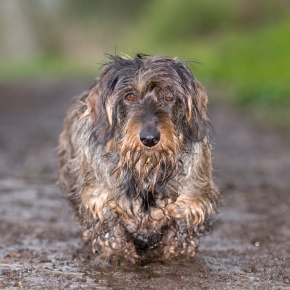
During later autumn and winter when paths around North London turn muddy, many dog owners find themselves worrying about Alabama rot. This rare but serious condition has captured headlines in recent years, causing understandable concern amongst pet parents. Understanding the facts helps distinguish between necessary caution and unnecessary panic.
If you’re concerned about the below symptoms associated with Alabama rot, contact us for advice from our vets at Elizavet as soon as possible.
What is Alabama rot?
Alabama rot, officially known as cutaneous and renal glomerular vasculopathy (CRGV), is an extremely rare disease that affects dogs’ blood vessels. Despite its name, it has no proven connection to Alabama – the condition was first identified there in the 1980s but has since appeared sporadically across the UK.
Our vets at Elizavet explain that the disease causes skin lesions, typically on the lower legs or face, which can progress to kidney failure if left untreated. However, it’s crucial to remember that Alabama rot remains exceptionally uncommon, with the number of cases reported each year ranging from single digits to around 50 cases per year across the entire UK.
Recognising the warning signs
Early symptoms include skin sores or swelling below the elbow or knee that aren’t caused by obvious injuries. These lesions might appear red, ulcerated or swollen. Later symptoms can include vomiting, reduced appetite and unusual tiredness. However, most skin irritations on dogs’ legs result from far more common causes: cuts from brambles, allergic reactions, bacterial infections or simple chafing from mud and moisture.
The muddy walk connection
While a number of reported cases have occurred in dogs that frequent muddy woodland areas, no definitive cause has been established. The condition isn’t contagious between dogs. Cases tend to rise between November and May, which coincides with muddier conditions, but it’s unclear whether this is directly linked to mud exposure or other seasonal factors.
The reality is that thousands of dogs enjoy muddy woodland walks daily without developing Alabama rot. Given how rare the condition is, our vets in North London recommend continuing regular exercise while being vigilant for early warning signs rather than restricting your dog’s outdoor activities.
Sensible precautions without paranoia
Since there’s no confirmed source, prevention is based on caution – continue enjoying winter walks but maintain good hygiene practices. Wash off any mud after walks and check for cuts or irritation, especially if your dog has been in woodland or wet areas.
Keeping your dog’s coat clean and dry not only helps prevent skin issues but also makes it easier to spot early signs of illness. Regular grooming supports overall skin health and can reduce the risk of infections that might be mistaken for Alabama rot.
Stay alert for early symptoms of Alabama Rot in dogs like skin sores or unexplained lethargy. Most importantly, don’t let fear prevent your dog from enjoying necessary exercise. Mental and physical health problems from inadequate exercise are far more likely than Alabama rot.
When to seek veterinary advice
If you notice unexplained skin lesions on your dog – especially on the legs, paws, face or mouth – call us on 020 4502 0414 right away. While most skin issues won’t be Alabama rot, early veterinary assessment is important because this condition can progress quickly if it is present.
Keeping perspective
Alabama rot generates significant media attention precisely because it’s unusual, however the risk to individual dogs remains extremely low. Focus on enjoying winter walks whilst practising sensible hygiene and seek an appointment at Elizavet for any concerning symptoms promptly.
Create a Warm Environment for Young Pets with Elizavet
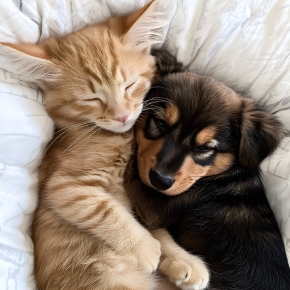
Puppies and kittens are bundles of joy, but they’re also incredibly vulnerable during their first few months of life. As winter approaches, these tiny companions face unique challenges that require special attention from devoted pet parents. Understanding their specific needs can mean the difference between thriving and merely surviving the colder months.
Got a new puppy or kitten? Register your pet with us at Elizavet and then book a check-up with our vets in North London.
Book a puppy or kitten check-up
Why young pets struggle with the cold
Very young animals haven’t yet developed the ability to regulate their body temperature effectively. Unlike adult pets, puppies and kittens under twelve weeks old lack sufficient body fat and muscle mass to generate adequate heat. Their small size means they lose warmth rapidly, whilst their immature nervous systems struggle to trigger appropriate responses to cold stress.
Additionally, young pets spend considerably more time sleeping than adults – up to twenty hours daily – making them particularly susceptible to becoming chilled whilst resting.
Creating the perfect warm environment
Our vets at Elizavet advise that temperature consistency is crucial for young pets. Maintain indoor temperatures between 21-24°C, avoiding draughty areas near doors, windows, or air vents. Use a reliable thermometer to monitor conditions, as what feels comfortable to humans might still be too cold for tiny pets.
Provide multiple warm sleeping options throughout your home. Heated pet beds designed for young animals offer safe, consistent warmth, whilst fleece blankets and washable bedding allow for frequent cleaning – essential given young pets’ tendency towards accidents. Consider setting up a designated “warm room” where your pet can retreat when feeling chilly, equipped with their favourite bedding and toys.
Outdoor adventures and limitations
Young pets shouldn’t be allowed to venture outdoors in North London until they’ve completed their vaccination course, typically around twelve to sixteen weeks. When they are able to go outside, youngsters need careful cold weather management:
- Limit outdoor exposure to brief toilet breaks during harsh weather.
- Watch for signs of distress including shivering, lethargy, or reluctance to move and bring them inside immediately if these occur.
- Invest in appropriately sized puppy or kitten clothing for outdoor excursions around North London. Ensure garments fit properly without restricting movement or circulation.
Nutrition for warmth and growth
Young pets require significantly more calories per pound than adults, partly to fuel their rapid growth and partly to maintain body temperature. Feed high-quality puppy or kitten food as directed by our vets, offering smaller, frequent meals rather than one or two large portions.
Fresh water should always be available, but ensure it’s not ice-cold, which can further chill small bodies. We offer more advice and support as part of our services, why not book an appointment today?
Recognising warning signs
Monitor your young pet closely for hypothermia symptoms: excessive shivering, weakness, shallow breathing or extremely cold ears and paws. Severe cases may present with muscle stiffness or loss of consciousness. This requires immediate veterinary attention so contact our veterinary practice in North London straight away!
Safety beyond temperature
Young pets are naturally curious but lack the experience to recognise dangers. Keep them away from fireplaces, space heaters, and heated surfaces that could cause burns. Ensure all warming devices are pet-safe and cannot be chewed or knocked over.
With proper preparation and vigilant care, your tiny companion will grow into a healthy, happy adult ready to enjoy many winters ahead.
If you’re welcoming a new puppy or kitten, contact us to register them and book a check-up with our vets at Elizavet.

